Moscow, Aug 14 (EFE).- Moscow’s nightlife is shrinking. As Russia’s economy struggles under the pressure of war, rising taxes and inflation, and authorities tighten their grip on public life, one electronic music venue after another is closing, leaving the capital’s once-vibrant club scene increasingly constrained.
The nights are short in Moscow, particularly in summer, when dawn begins breaking at around 4 a.m.

During the brief warm-weather season, open-air venues are especially popular, but there are fewer and fewer of them.
One by one, electronic music clubs favored by Muscovites are shutting their doors.
Some are reinventing themselves for a more exclusive clientele, betting that demand will remain in a metropolis of 13 million people marked by stark social inequality. Others are simply being drowned by debt.
Electronic music has been among the nightlife sectors hardest hit by increasing repression in Russia and the war in Ukraine, which has put growing pressure on the Russian economy after more than four years of conflict.
Customer preferences have also changed. Younger audiences tend to party for shorter periods, drink less and seek experiences beyond traditional nightlife offerings.
Faced with these challenges and a return to ideological conservatism that leaves little room for the liberal culture traditionally associated with youth nightlife, leisure-sector entrepreneurs must reinvent themselves or risk seeing their businesses disappear.
Closures and raids
So far this year, Moscow’s electronic music clubs Gazgolder, Powerhouse Shizich, Blanc, M2, Zheltiy Dom and Melodiya have closed. Blanc also shut its venue in St. Petersburg.
The closures have been attributed to a combination of factors, including higher taxes, such as VAT and alcohol duties, rising rents and inflation. The broader deterioration of the economy has also reduced consumers’ purchasing power, leading Russians to spend less on entertainment.
Some venues and events have suffered the direct consequences of the war. The Outline electronic music festival, held in the Moscow region in late July and attended by around 15,000 people, was canceled by local authorities on the very day it was due to begin because of a drone threat.
Another factor deterring customers is the frequency of police raids. Law enforcement agencies have conducted operations in central Moscow and targeted establishments that host LGBTQI+ groups.
The first such raids on bars, however, date back to 2023, when police targeted venues in central St. Petersburg, traditionally one of Russia’s more liberal cities.
Foreigners, exclusivity and money
Just as locals were beginning to recover from the Covid-19 pandemic, the war began, bringing new difficulties for international artists seeking to perform in Russia because of the reputational risks associated with doing so.
Since then, music promoters have had to fill their lineups largely with Russian artists, considerably increasing fees for some domestic musicians. Although this has helped boost emerging performers such as DJ Sofia Rodina, the same artists now appear at a large proportion of events.
Some international artists still perform in Russia, although often without much publicity. Veteran British DJ Paul Oakenfold, for example, is scheduled to return to Moscow in September. But his appearance is an exception in the current music scene.
One of the biggest losses for the live-music industry has been sponsorship from international brands, particularly alcohol companies, which were once among the main sources of funding for high-profile lineups.
A local business
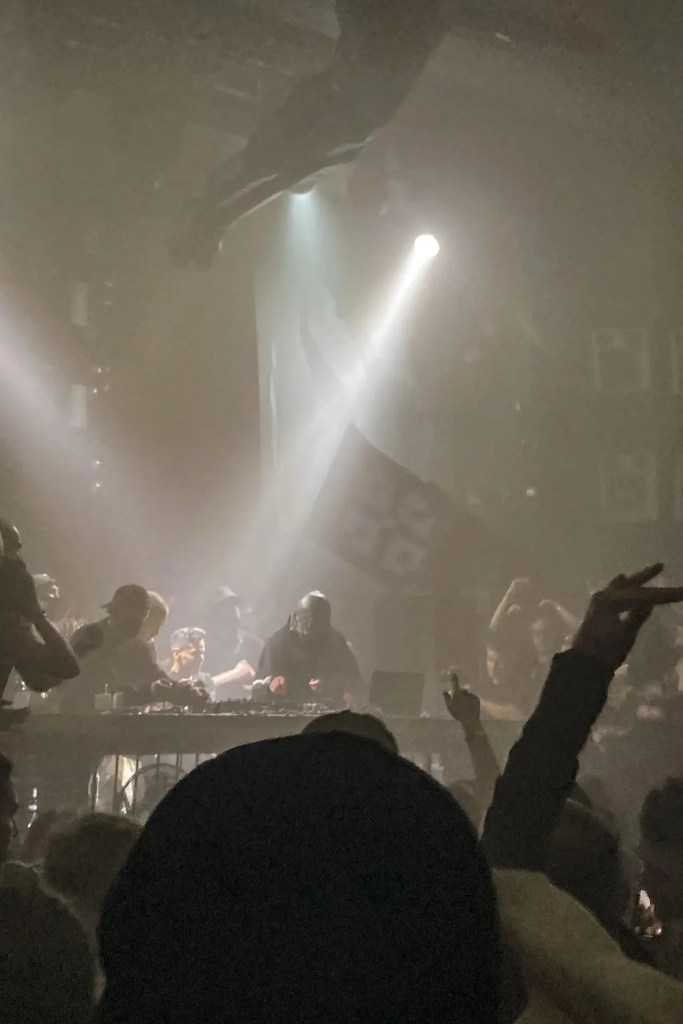
Italian DJ Gianni Di Bernardo and Hungarian DJ Bandee were the only foreign performers among the 23 artists on the lineup for the latest rave organized by Monasterio, one of Russia’s most emblematic techno parties and an event inspired by Berlin’s underground rave scene.
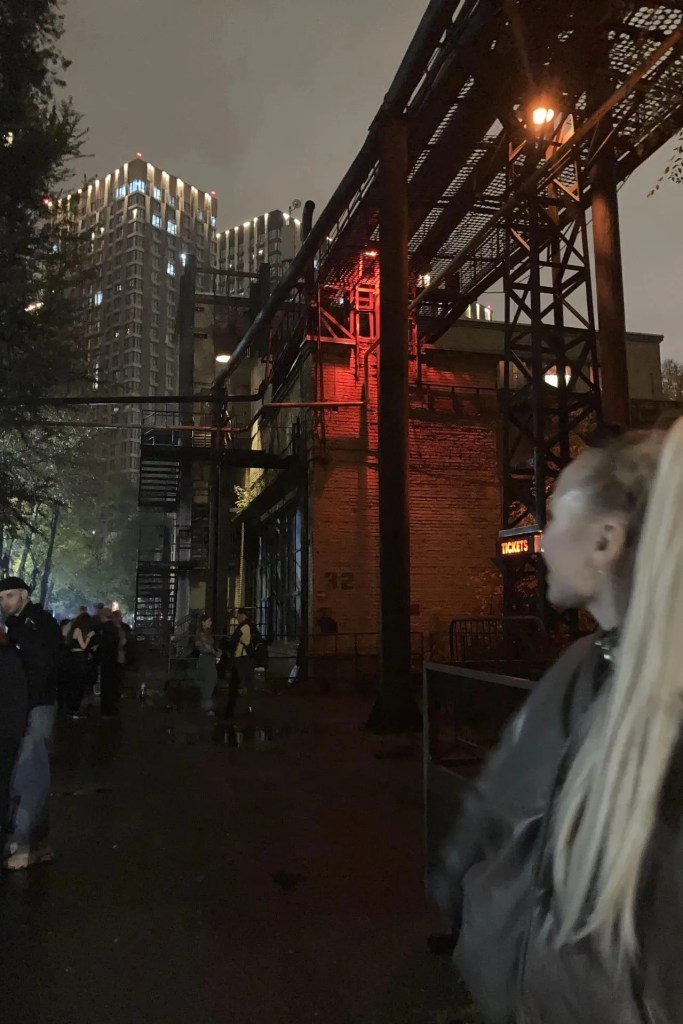
In recent years, the event has been held in a renovated former Soviet factory in Moscow, featuring several rooms and floors, a shop, a tattoo parlor, an outdoor lounge with hammocks and bonfires, and decorations tailored to each edition.
With fewer opportunities to attract major international names, organizers are increasingly compensating with other elements, particularly visual appeal and the overall experience. Decoration, novelty, creativity, alternative activities, and the creation of a sense of community and identity have therefore become increasingly important.
At the same time, as customers rely less on the names of individual artists, they increasingly put their trust in promotional teams, their reputations and the overall identity of the events they organize.
Faced with inevitable changes in both supply and demand, organizers are also becoming more risk-averse. Many are opting for larger festivals and seeking to attract audiences through non-musical personalities, including bloggers, actors and more commercial musicians. EFE
mos-sk