Tokyo, Aug 14 (EFE).- The United States ambassador to Japan emphasized on Friday the «unwavering» support for Japan in its claim to sovereignty over the Kuril Islands, controlled by Moscow and visited by Russian President Vladimir Putin on Thursday, sparking a diplomatic rift.
«The United States remains unwavering in its support of its most important ally and in its recognition of Japanese sovereignty over the Northern Territories,» George Glass wrote on X.

«At a time when the US-Japan Alliance is dedicated to cultivating prosperity across the Indo-Pacific, we strongly oppose any action that undermines its peace and stability.”
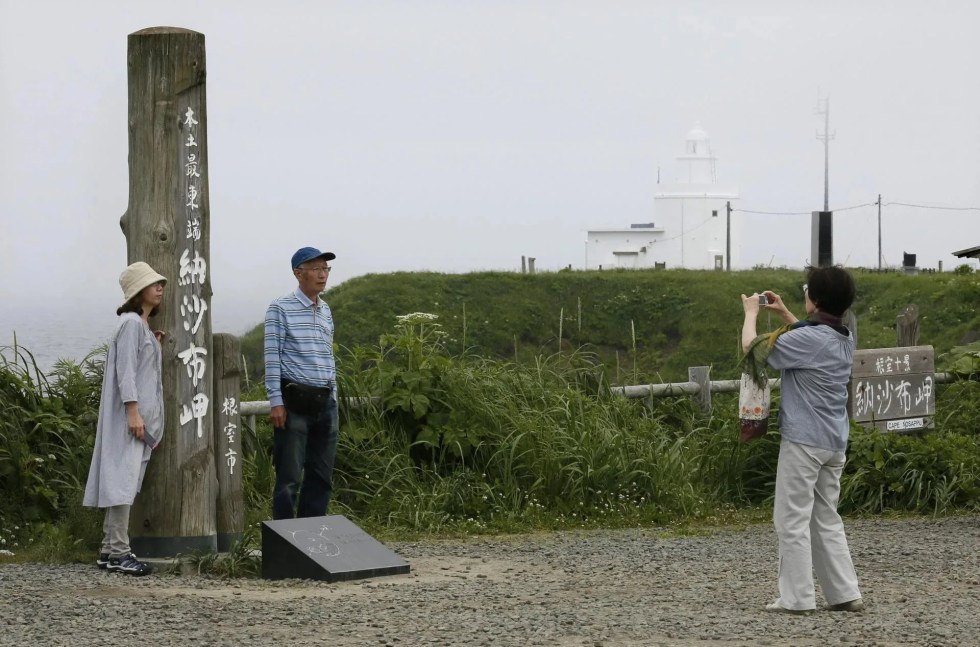
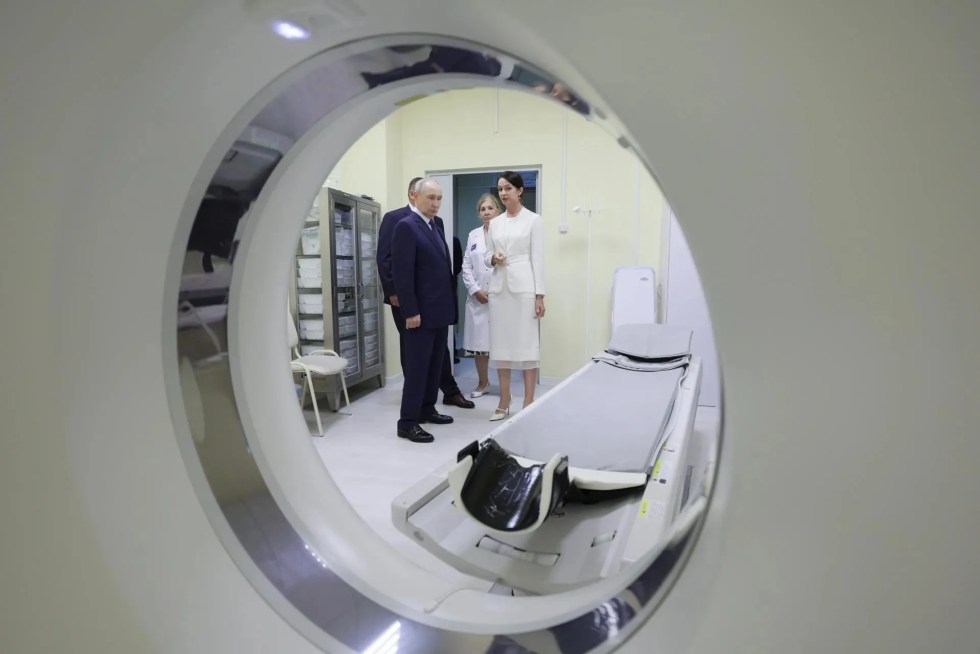
The Kremlin chief visited the Kuril Islands, which Japan calls the Northern Territories, on Thursday for the first time since coming to power in 2000. This unexpected trip, part of his tour of Siberia and the Russian Far East, took Putin to a fish processing plant on the island of Iturup (Etorofu in Japan).
In response, the Japanese government protested the visit by summoning the Russian ambassador to Tokyo, Nikolai Nozdiev, to the foreign ministry, where he asked him to convey the complaint to the Kremlin immediately.
Prime Minister Sanae Takaichi called Putin’s trip «absolutely unacceptable.»
Although discovered by Russian navigators, the Kuril Islands became part of Japan in 1875 under the Treaty of St. Petersburg. These territories were incorporated into the Soviet Union after World War II under the Treaty of San Francisco.
In 1956, the USSR and Japan signed a declaration resuming diplomatic relations and establishing the groundwork for a potential peace treaty, which included the return of two of the four islands to Japan.
Although both countries renounced this agreement, Tokyo continues to claim all four islands, a dispute that remains one of the major points of contention between the two nations and the primary reason they have yet to sign a peace treaty following World War II. EFE
daa/tw