Beijing, June 4 (EFE).- Thirty-seven years after the Tiananmen Square crackdown, calls for truth, accountability, and official recognition of the events of June 1989 echoed again, while Chinese authorities maintained their longstanding silence on one of the country’s most politically sensitive subjects.
Public discussion of the anniversary remains heavily censored in mainland China, but voices within and beyond the Chinese-speaking world used the occasion to demand justice and a full accounting of what happened.

Beijing, however, reiterated its position that the matter was resolved long ago and rejected calls to revisit the events after victims’ relatives, human rights groups, and political leaders in Taiwan and Hong Kong renewed their demands for truth.
Memory Against Silence
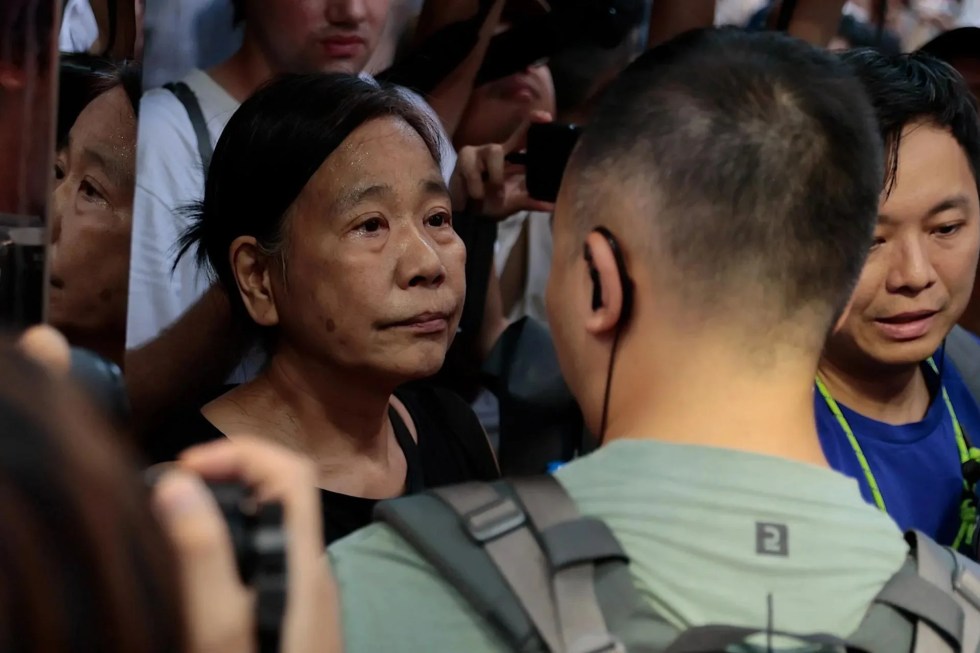
The Tiananmen Mothers, a group made up of relatives of those killed in the 1989 military crackdown, urged Chinese authorities to disclose the true number of people who died, were injured, or disappeared during the unrest.
The group called on the government to «honestly confront» the events, make the truth public, and accept responsibility before the victims’ families and Chinese society.
Human rights organizations, including the Human Rights Watch and the Network of Chinese Human Rights Defenders, also condemned the censorship and pressure faced by those seeking to commemorate the anniversary. They noted that no independent investigation has been conducted and that no one has been held accountable for the crackdown.
In Taiwan, President Lai Ching-te called on Beijing to «acknowledge the truth, heal the pain, and pave a path toward reconciliation and dialogue,» arguing that a truly great nation must have «the courage to confront the wounds of its history.»
Beijing Maintains Its Position
Chinese authorities showed no sign of altering their stance.
Foreign Ministry spokesperson Mao Ning said Beijing had already reached a «clear conclusion» regarding what it describes as the political turmoil of the late 1980s. She also accused the United States of distorting historical facts and interfering in China’s internal affairs in response to comments by U.S. Secretary of State Marco Rubio.
China expressed «strong dissatisfaction and firm opposition» to Rubio’s remarks.
The US secretary of state had said on Wednesday that «no attempt can erase history» and argued that those who sacrificed their lives in defense of freedom of expression and peaceful assembly «will one day be vindicated.»
Hong Kong Under Tight Security
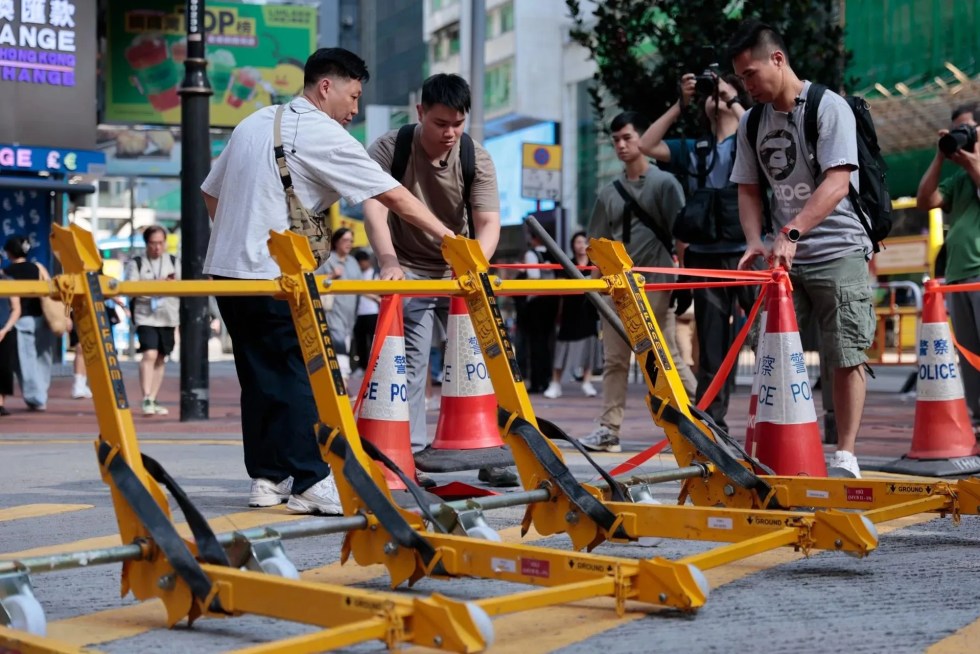
Hong Kong marked the anniversary under heavy security, with armored vehicles and counterterrorism patrols deployed around Victoria Park, the site of annual candlelight vigils that for decades drew thousands of participants.
For the fourth consecutive year, the traditional commemoration was replaced by an event organized by pro-Beijing groups.
Authorities maintained a visible security presence throughout the city, including police checkpoints, bag searches, and increased surveillance around public transportation hubs, leaving little room for public acts of remembrance.
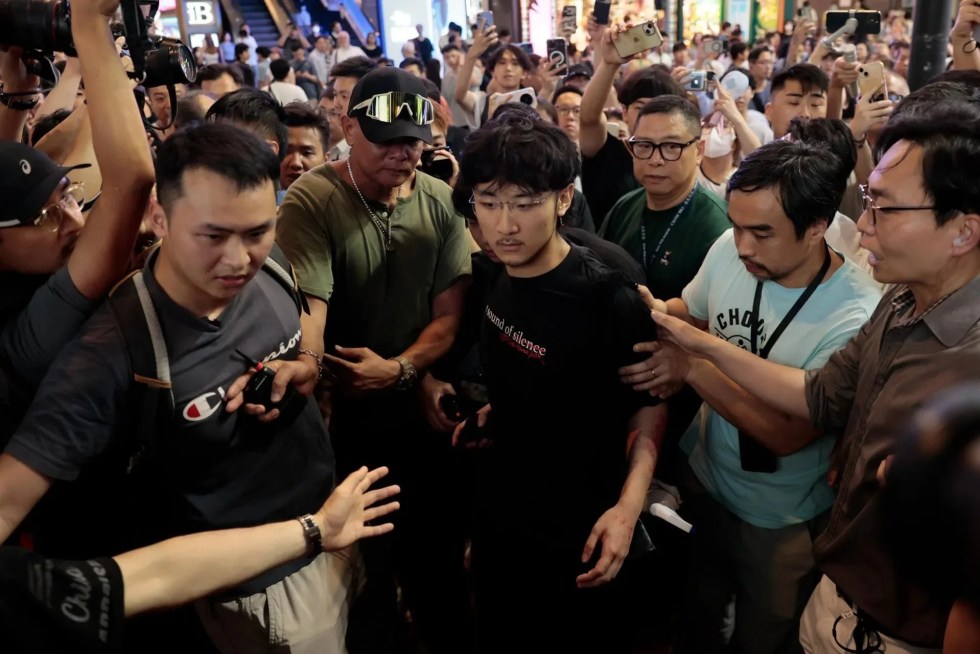
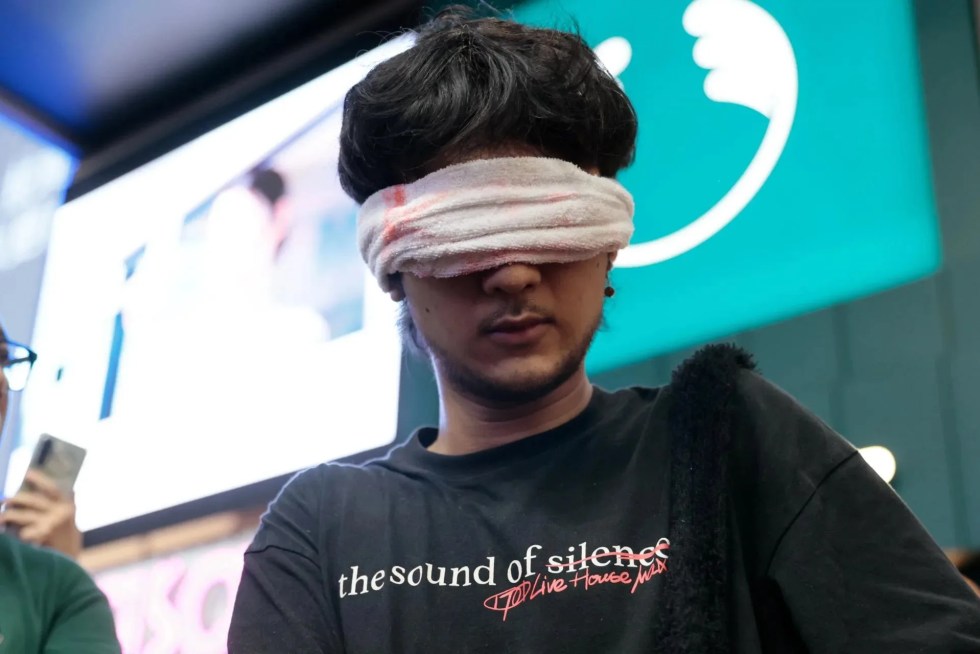
On the eve of the anniversary, an artist was briefly detained after attempting to tie a 6.4-meter red string to a traffic sign, an apparent reference to June 4, the date of the crackdown.
A Void But No Official Death Toll
On the night of June 3–4, 1989, Chinese troops and tanks moved into central Beijing to clear Tiananmen Square and surrounding areas, where students and workers had spent weeks demanding political reform, greater freedoms, and action against corruption.
The Chinese government has never released an official death toll. Independent estimates vary widely, ranging from several hundred to several thousand fatalities.
Thirty-seven years later, authorities continue to prohibit public discussion of the events and block references to the anniversary, while families of victims and activists continue to press for answers to a question that remains unresolved: how many people died during the crackdown? EFE
gbm-sk