

By Irene Escudero
Madrid, June 24 (EFE).– As the world witnesses the highest number of armed conflicts since 1946, women not only suffer disproportionately from war, but are the first and most effective shield of containment and humanitarian attention.

Before international agencies or aid convoys manage to get around the fronts and restrictions that some countries place on access to the population, local women’s networks often play a role of providing aid at the front line.
However, this crucial effort faces financial challenges caused by cuts in international aid and the historical exclusion of women from peace negotiations.
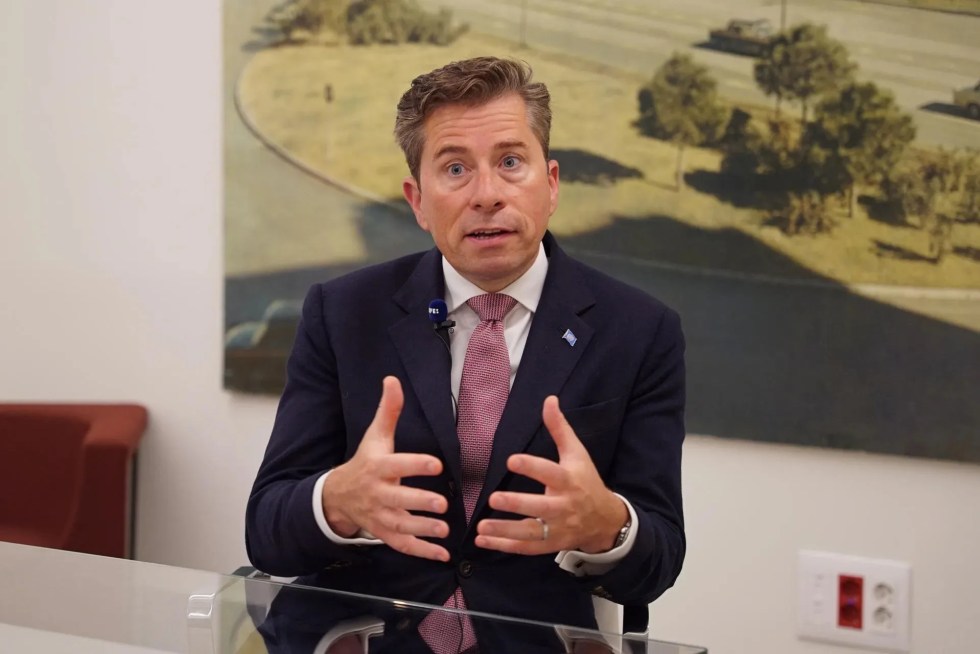
«Whether it’s a conflict, whether it’s the climate crisis, or the instrumentalization of sexual violence, it’s always women who are on the front line suffering the most due to the level of impunity and conflict in the world right now,» Tom Fletcher, Under-Secretary-General for the United Nations Office for the Coordination of Humanitarian Affairs (OCHA), told EFE.
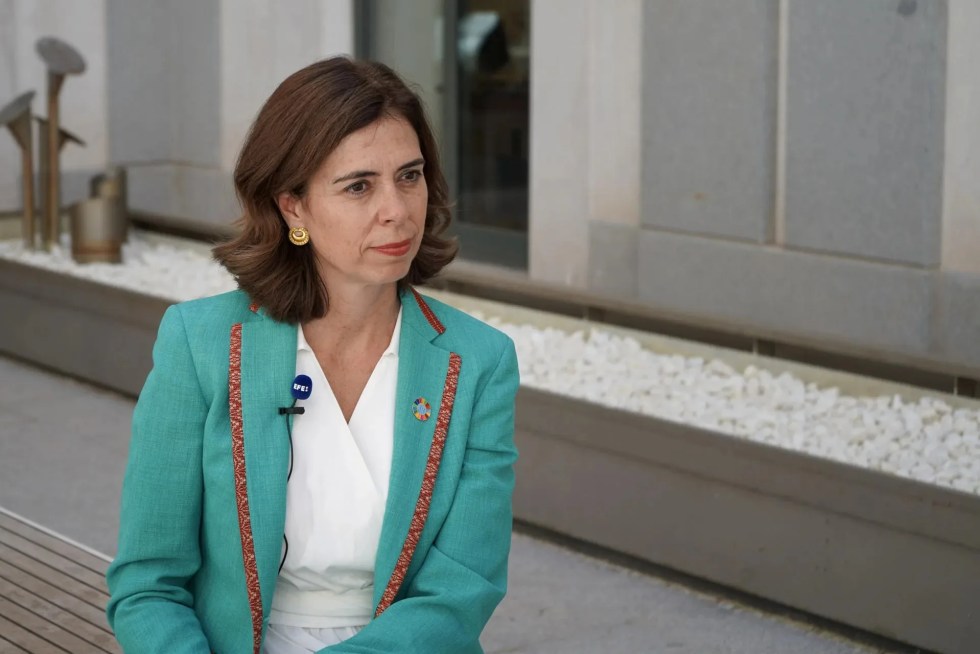
In Ukraine, for example, in four years, «at least 4,994 women have been killed, and at least 1,000 girls have been wounded as a result of the war,» Belen Sanz, UN Women regional director for Europe and Central Asia, told EFE.
In spite of this, Sanz stressed that Ukrainian women play a crucial role in defending access to basic services in their communities, leading employment initiatives and giving direct attention to areas where the conflict has the greatest impact.
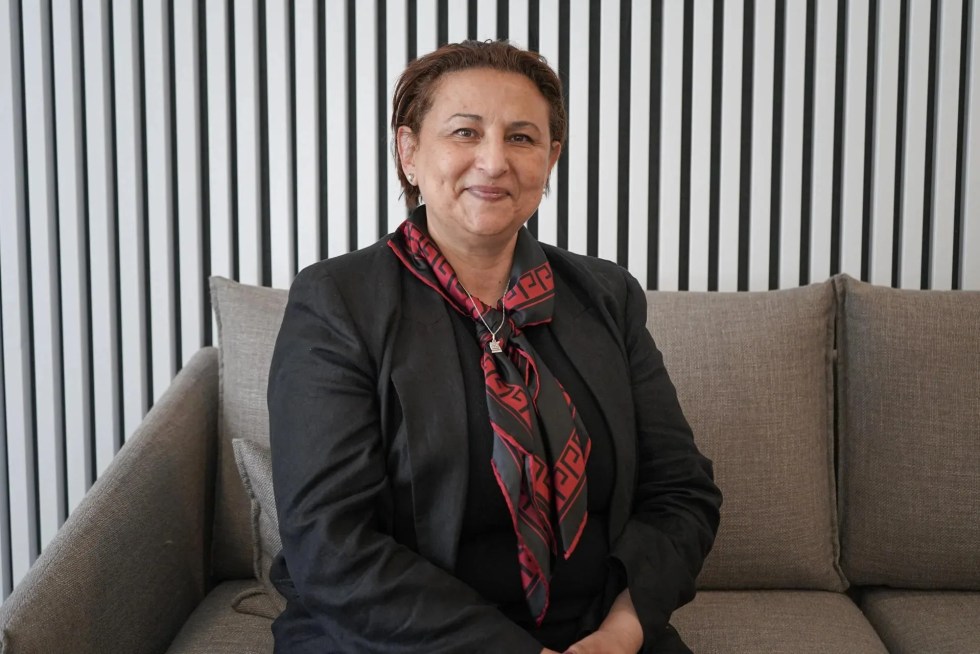
However, this community resistance is not a new phenomenon, but something that has prevailed time and again during protracted crises, as pointed out by Palestinian activist Huda Abuarqub.
“This is our story. Women were the ones who saved the community after genocide, war or displacement, the Nakba. They saved the identity of the place and the people, the heritage, the embroidery, the kitchen, the olive trees… And they were the ones that created a space for internal dialog so that families did not fight,» Abuarqub said.
The work of these grassroots organizations is carried out in environments where violence against women – especially sexual violence – is another weapon of war.
Fletcher recounted recent cases in Haiti, where women’s organizations lead support for survivors of sexual violence, a pattern that is repeated in Goma (eastern Democratic Republic of Congo) and Darfur, Sudan, where local groups assist victims of gang rape.
However, the lack of resources aggravates vulnerability, and this was one of the points that was recently addressed in Madrid at the 5th Ministerial Conference on Feminist Foreign Policy, in which Fletcher, Sanz and Abuarqub participated.
Fletcher described how cuts to international aid – especially those in the United States, which was the main donor – force inhumane decisions about what services to keep open.
«The women tell me that they are losing their children because they have to cycle three more hours to get to the clinic because we have closed the medical center. They tell me they have to take contraception before they go through a checkpoint because of the threat of sexual violence,» he said.
And while women, with their essential care work, are the ones who keep countries going during crises, they are marginalized when it comes to negotiating peace.
Abuarqub recalled how «the strong Palestinian women who held society together» were pushed aside after the Oslo Accords, when male leaders returned from exile to take over.
The activist, who has dedicated 25 years of her life to peace, expressed the frustration of her people over international inaction in the face of their daily suffering.
«I feel that the world failed us. We gave the world a chance. We accept everything… We met every international demand that came to us from the Americans. And we found out that Americans are not honest,» she stressed.
For humanitarian assistance to translate into real stability, the focus must change. “We know that humanitarian action is most effective when led by women, that peace is most effective when led by women,” Fletcher said.
«The search for peace is the highest level of guarantee of protection that we can give to women, and women have to be at the table for peace to be sustainable,» Sanz concluded. EFE
ime-jgg/sc




![[FILE] Maria Zakharova, the Russian Foreign Ministry's spokeswoman, attends a briefing in Moscow, Russia, 03 August 2018. EPA/FILE/MAXIM SHIPENKOV](https://i0.wp.com/efe.com/wp-content/uploads/2026/08/rss-efe4a98becabeb90db01f89e7486557752cd067cf20w.webp?fit=300%2C200&ssl=1)
