By Paula Gracia and Pilar Bernal Zamora
Tokyo, July 1 (EFE).- Mount Fuji’s climbing season opened on Wednesday with thousands of hikers expected to ascend Japan’s highest peak over the coming months, as growing concerns over overcrowding and safety fuel calls to ban off-season climbing altogether.

«We don’t want tragedies, including secondary accidents that could endanger firefighters and rescue workers,» Fujinomiya Mayor Hidetada Sudo said at a press conference ahead of the start of the climbing season, according to the Mainichi newspaper.
Sudo, along with other mayors of municipalities at the foot of Mount Fuji, urged Shizuoka Prefecture to permanently ban off-season climbing, arguing that winter ascents are «extremely dangerous.»
The latest fatal accident on the mountain occurred last December, when a 44-year-old Japanese climber died after falling while descending from the summit.
A crowded summit
Authorities recommend climbing Mount Fuji only between July and early September, when weather conditions are more favorable and services such as mountain huts, toilets and first-aid stations are available.
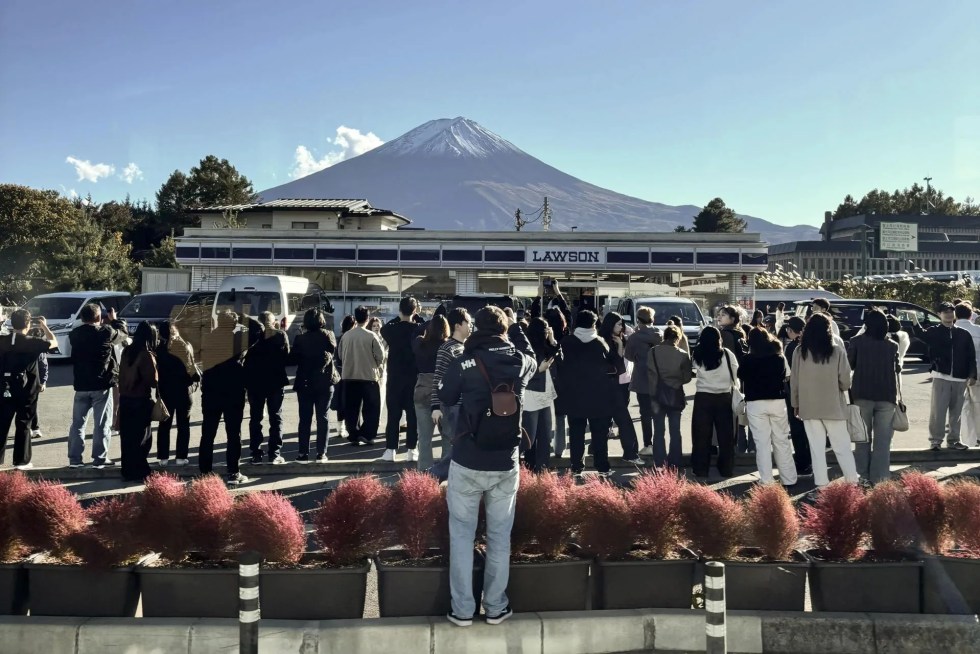
However, the mountain’s popularity during the official season has frustrated veterans.
«The shelters are packed and people walk in groups of three. This is no longer mountaineering; it’s simply walking through an organized tourist circuit,» mountain photographer and climber Takemi Suzuki told EFE, despite the introduction of visitor caps and climbing fees.
Outside the official season, climbing routes are closed under Japan’s road law because safety measures and emergency services are unavailable. Violators face penalties of up to six months in prison or fines of up to 30,000 yen (about 160 euros).
Veteran mountaineers, however, may still climb if they submit a detailed climbing plan to local authorities.
Opposition to a year-round ban
Growing calls from local municipalities to prohibit all off-season climbing have drawn criticism from Suzuki, who deliberately avoids the official climbing season because of overcrowding.
The climber argued that the tourism industry had effectively «invented» the concept of a «mountain closure period.» On Tuesday, he submitted a petition with more than 6,000 signatures opposing the proposal.
«Through proper regulation, this balance can be achieved. We can reserve the summer for tourism and leave the rest of the year open to experienced mountaineers,» he said, arguing that climbers should not be treated «practically as criminals.»
Suzuki said Mount Fuji has become «a theme park where you get scolded if you step even a centimeter off the designated trail.» Before the pandemic, when he worked as a mountain guide, he said the peak did not experience the same level of congestion.
According to Suzuki, the problem begins at the base of the mountain. A road allows visitors to drive to the fifth station, about 2,300 meters above sea level, regardless of their physical condition or climbing experience.
«That distorts the reality of what it means to test yourself against nature,» he said.
Overtourism and limited resources
Yusuke Ishiguro, an associate professor of tourism at Hokkaido University, told EFE that the underlying problem is Japan’s long-standing assumption that tourism should grow without limits, generating ever more revenue, demand and business opportunities.
«But many rural areas lack the resources and strategies needed to manage that growth,» he said.
«Managing and shaping tourist demand is something we are doing for the first time,» Ishiguro said, noting that Japan traditionally focused on sending its own tourists abroad rather than managing large numbers of inbound visitors.
Ishiguro, who is also a visiting professor at the University of Barcelona’s Specialized Center for Tourism, Hospitality and Gastronomy, said the issue extends beyond infrastructure.
«It is not just a physical issue, but also one of identity and political thinking,» he said, arguing that tourism, «like any other industry, has both positive and negative aspects.»
«We must always give more importance to the quality of tourism than to its quantity,» he added, describing the debate over Mount Fuji as a «systemic conflict» resulting from efforts to promote tourism without adequate long-term planning. EFE
yk-pagb-pbz-sk