Santo Domingo (EFE).- More than 370,000 undocumented Haitians have been deported from the Dominican Republic over the past year. This figure reflects the outcome of stricter immigration measures introduced by the government of Dominican President Luis Abinader.
The deportations come amid reports of human rights violations and mass raids targeting Haitian nationals.

In early Oct. 2024, the Dominican government announced its goal to repatriate up to 10,000 undocumented migrants per week to reduce what it described as “migrant overpopulation” in local communities.
The policy primarily affects Haitians, as their country remains engulfed in a deep crisis that has displaced more than 1.4 million people this year alone.
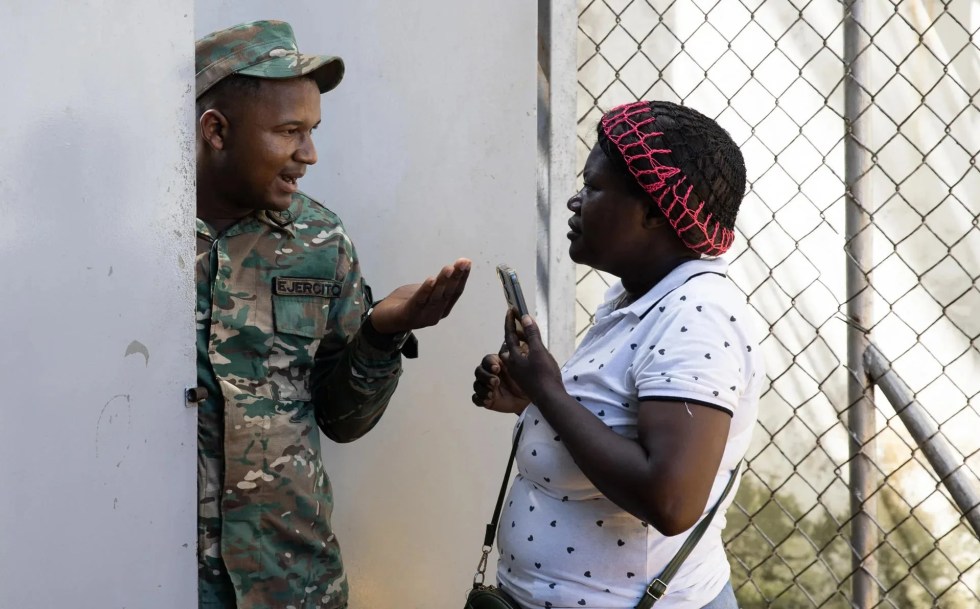
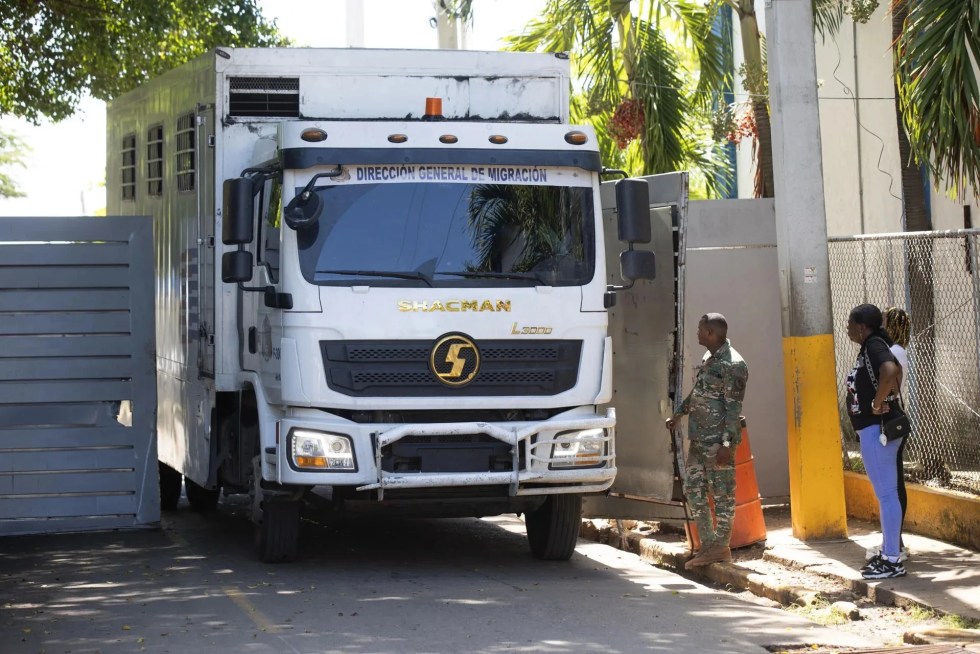
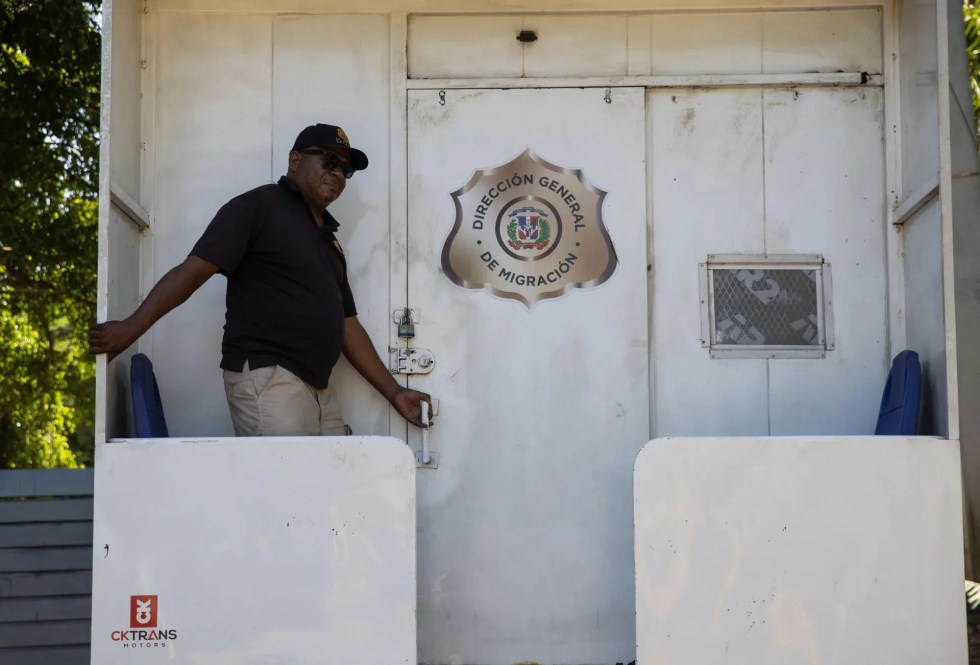
Since the announcement, deportation operations have continued without pause. Trucks loaded with Haitian nationals arrive daily at the migrant reception center in Haina, about 20 kilometers (12.4 miles) from Santo Domingo, before being transferred to the border for expulsion.
According to official data, 370,240 Haitians were deported in the past year, with 285,614 of them expelled during the first nine months.
Human Rights groups denounce abuses
Outside the Haina center, Haitian grandmother Madalena Jean searched for her 15-year-old granddaughter, detained after giving birth in the city of Higüey, 165 kilometers (102.5 miles) away.
“She was born here in the Dominican Republic,” Jean told EFE. “She’s sick and needs to come home because she’s not from over there (Haiti).”
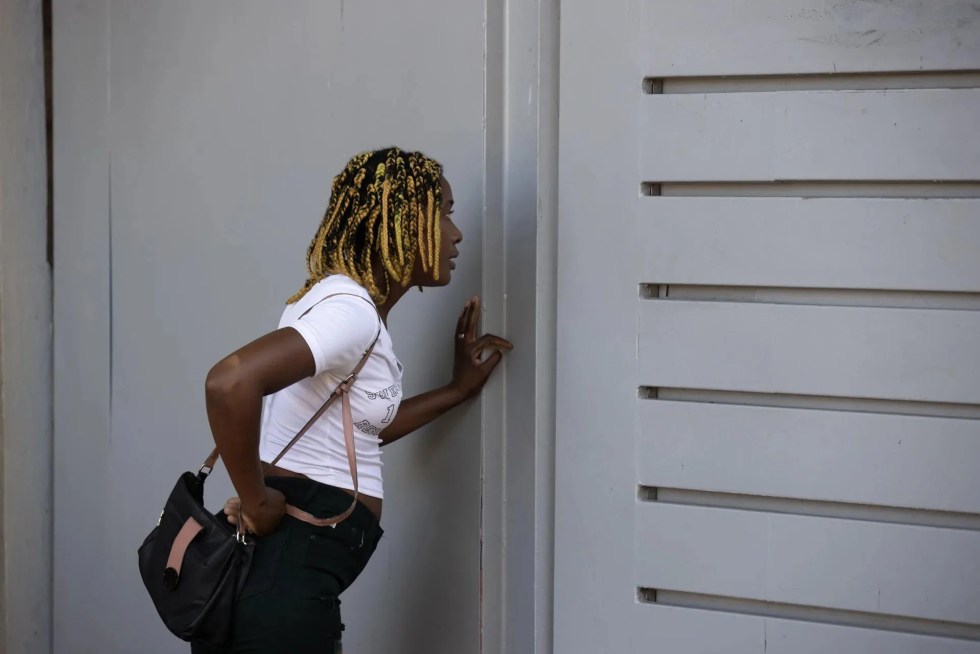
The Dominican Republic applies the jus sanguinis principle, meaning citizenship is determined by ancestry rather than birthplace, a policy that has long affected children of Haitian descent.
Since April, hospitals across the country have been operating under a controversial protocol linking access to healthcare with immigration status. The measure, implemented in 33 hospitals, has been condemned by the United Nations and Amnesty International (AI).
Authorities insist that deportation procedures respect human rights, but human rights defenders disagree.
“The Dominican migration policy also affects Haitians with valid documents,” said Simón Pérez, co-author of the report ‘Mass Deportations and State of Exception in the Dominican Republic’.
Discriminating and rising trafficking risks
According to Pérez, documented Haitians are frequently subjected to “verification processes,” during which they are detained and sent to detention centers despite holding valid Dominican-issued IDs, such as foreign resident cards. “This reveals a discriminatory pattern,” he said.
Pérez added that Haitians are disproportionately targeted compared to other migrant groups, such as Venezuelans.
“The number of deportations does not match the distribution of irregular migrants by nationality. There is a massive overrepresentation of Haitian migrants,” he emphasized.
The report also links the migration crackdown to increased human trafficking and smuggling.
It documents 54 deaths “in the context of migration repression,” most of which remain uninvestigated and without accountability.
During his recent address to the United Nations General Assembly, President Abinader defended his policies, asserting that the Dominican Republic “will continue to protect its territorial integrity and enforce its national migration laws,” while continuing construction of a border wall with Haiti. EFE
pma-mf/seo