By Jaime León
Tehran, Jan 17 (EFE).- The protests that swept Iran in recent weeks have subsided, with streets now quiet and slogans falling silent, but the true scale of what may be the country’s gravest tragedy in decades remains unknown.

This uncertainty is largely due to the communications blackout imposed on Jan. 8, when authorities cut global internet access and international phone calls, services that, while partially restored, remain heavily restricted.
The protests began on Dec. 28, when merchants in Tehran closed their shops in response to the sharp fall of the rial.
The demonstrations quickly spread nationwide, with protesters chanting slogans such as “Death to the Islamic Republic” and “Death to Khamenei.”
After an initial period of restraint, Iranian authorities deployed security forces on Thursday, Jan. 8, a crackdown that lasted at least until the following Monday and coincided with the communications blackout.
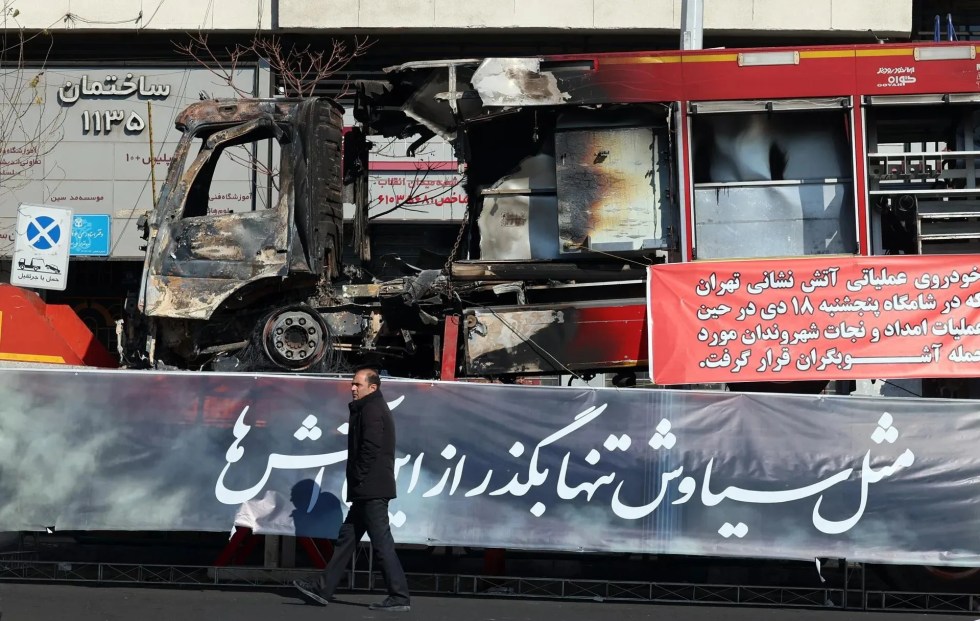
Under these conditions, protests peaked on Thursday and Friday, Jan. 8 and 9, with demonstrations erupting across much of the country.
According to the Iranian government, the unrest escalated into vandalism of public institutions, looting of banks, and the burning of 53 mosques.
Tehran maintains that the initially economic protests turned violent due to the infiltration of external agents backed by Israel and the United States, allegedly seeking to justify a possible US military intervention.
Iranian authorities say they do not yet have a definitive death toll from the clashes, though they acknowledge “many” fatalities.
They place the number of detainees at around 3,000, whom they describe as “terrorists,” and report at least 150 deaths among members of the security forces.
By contrast, opposition groups and human rights organizations based abroad present far higher figures.
Iran Human Rights, based in Norway, estimates that 3,428 people were killed, while the US-based HRANA organization puts the number of detainees at more than 19,000.
For comparison, official figures from the Foundation of Martyrs of the Islamic Republic indicate that 2,781 people died during the 1979 Islamic Revolution.
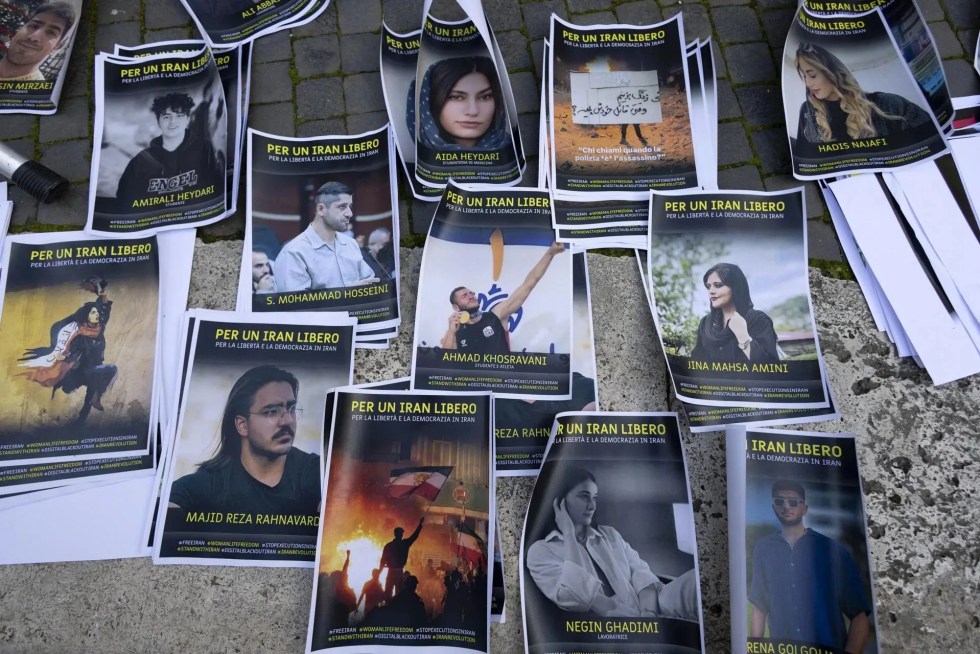
Amnesty International has described the recent events as a “massacre,” alleging that security forces fired live ammunition from rooftops of residential buildings, mosques, and police stations at unarmed protesters, while medical facilities were overwhelmed by the number of bodies.
“The evidence gathered by Amnesty International points to a coordinated nationwide escalation in the security forces’ unlawful use of lethal force against mostly peaceful protesters and bystanders since the evening of 8 January,” the rights watchdog said, citing testimony from dozens of witnesses and video evidence.
Several sources told EFE that parts of Tehran became “war zones,” with “pitched battles” between protesters and security forces throughout Thursday and Friday, and to a lesser extent on Saturday.
For now, protests have subsided across the country. But what exactly happened during those days, and the full human cost, remains unclear, prompting some analysts to describe the events as the Islamic Republic’s Tiananmen.
jlr-sk