Tehran, Feb 8 (EFE).- Iran and the United States have resumed indirect talks in an atmosphere marked by suspicion and strategic pressure, with analysts warning that progress will be slow but insisting that sustained dialogue is still safer than renewed conflict.
“A thousand hours of negotiation without results is still far better than an hour of war,” international affairs analyst Hasan Beheshtipour said in an interview with the reformist daily Etemad.

The remark reflects a pragmatic view underlying the renewed contacts: diplomacy, however imperfect, is seen as a safer alternative to direct conflict.
For Beheshtipour, the mere resumption of talks after months of deadlock is already a positive development, and the absence of immediate progress should not be discouraging.
“In diplomacy, keeping the doors open is itself a victory,” he said.
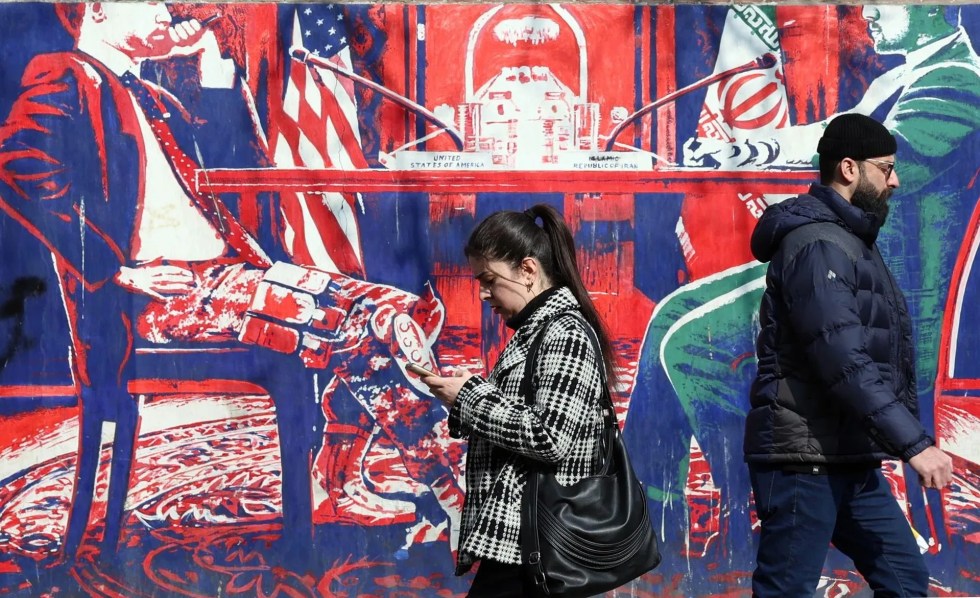
Iranian President Masoud Pezeshkian echoed that assessment on Sunday, describing the indirect negotiations held on Friday in Muscat, Oman, as “a step forward.”
At the same time, Pezeshkian and Foreign Minister Abbas Araghchi have reiterated that uranium enrichment is an “indisputable” right of Iran and must continue, while expressing readiness to address international concerns over the nuclear program “in a transparent manner” and work to build confidence.
Araghchi has insisted that the talks are strictly limited to the nuclear issue, excluding any discussion of Iran’s missile program or its support for regional armed groups, topics Washington considers essential to any comprehensive agreement.
Another analyst, Morteza Maki, urged caution and warned against “excessive optimism.”
“The unpredictable personality of the US president, Donald Trump, is one of the main sources of uncertainty,” Maki said, also quoted by Etemad.
He added that this unpredictability was a key factor in Iran becoming a target of Israeli and US strikes during the 12-day war in June.
Trump’s contradictory signals
Although Trump has described the latest talks as “very good” and said they could resume early next week, he has simultaneously maintained a hardline posture and intensified economic pressure on Tehran.
On Friday, he signed an executive order imposing an additional 25 percent tariff on products from countries that buy, import or otherwise acquire Iranian goods or services.
His administration also announced new sanctions against 14 vessels from Iran’s so-called “phantom” fleet, as well as 15 entities and two persons linked to the marketing of Iranian crude oil and petrochemical products.
These moves have led Araghchi to question Washington’s seriousness about reaching a “fair” agreement.
“The continuation of certain sanctions and some military moves naturally raises doubts about the level of seriousness and preparedness of the other side,” the foreign minister said at a press conference in Tehran. “We are observing and evaluating all these signals.”
Meanwhile, the US continues to deploy the aircraft carrier USS Abraham Lincoln and its strike group near Iranian waters in the Persian Gulf, and Trump has said another naval force is heading toward the region should negotiations fail.
Such threats were a key factor in bringing Iran back to the negotiating table after it refused dialogue following the June conflict, during which Iranian nuclear, military and civilian facilities were struck, killing more than 1,000 people, including senior military officials and nuclear scientists.
Despite this, the Islamic Republic has repeatedly warned of the regional repercussions of any war, stating that it would target US bases across the Middle East in the event of an attack.
For now, uncertainty prevails in Iran regarding the future of the talks.
While differences remain profound, indications suggest that both Tehran and Washington still see dialogue as preferable to direct confrontation.
The timing and location of the next round of negotiations, however, remain unclear. EFE
ash-sk